
For most of Alberta's history, the link between oil and mortgages was simple. Oil went up, the province boomed, and rates followed. Oil went down, and both cooled together.
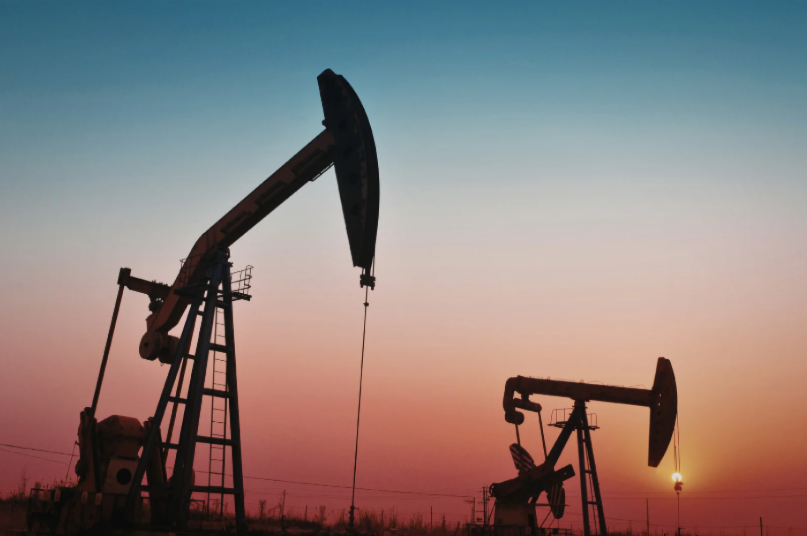
That rule of thumb has quietly broken.
The price of a barrel still matters. But the path it takes to your mortgage is longer and stranger than most people think. Understanding that path is the difference between reacting to headlines and making smart decisions.
The old assumption
The classic Alberta logic went like this. Oil prices rise. Alberta hires. Housing demand surges. Lenders respond by raising rates.
It was never that clean. But it was close enough to guide a generation of decisions. For most of the past fifty years, if you wanted to predict where Alberta mortgage rates were heading, you could check the price of oil and get a decent answer.
Today, that shortcut leads to the wrong answer.
What actually drives your rate
Canadian mortgage rates are shaped by two different forces. And they respond to oil in almost opposite ways.
Variable rates move with the Bank of Canada's overnight rate. The Bank sets that rate based on inflation, jobs, and growth across the whole country. Oil only matters if it changes those bigger numbers.
Fixed rates move with the Canadian bond market. Bond yields are the return investors earn for lending money to the government. When investors expect higher inflation, they demand higher yields. Lenders then price five-year fixed mortgages off those yields.
That is the whole machine. Oil does not set either rate directly. It pushes on the inputs.
The real chain
Here is what actually happened in March 2026.
A conflict in the Middle East disrupted oil shipping through the Strait of Hormuz. Brent crude, the global benchmark, jumped from about $72 a barrel in late February to nearly $120 at its peak. Canadian gas prices rose 21 percent in a single month, the largest jump on record.
That gas price spike pushed headline inflation in Canada from 1.8 percent in February to 2.4 percent in March. Bond investors got nervous. Yields on five-year Government of Canada bonds climbed. Fixed mortgage rates rose with them.
Variable rates did not budge.
Why the Bank of Canada often holds anyway
Here is the part most headlines miss. Central banks are trained to look through oil shocks.
The Bank of Canada does not want to raise rates because of a temporary energy spike. Oil shocks fade. And raising rates in response can do real damage to a soft economy. So the Bank watches core inflation, which strips out gas and food, and uses that as its guide.
In March 2026, core inflation was 2.2 percent. That is why the Bank held at 2.25 percent on April 29, even after the headline jump.
The takeaway: variable rate holders barely felt a thing. Fixed rate shoppers felt it right away.
The Alberta wrinkle
There is a second reason the old rule of thumb no longer works. Alberta's economy is not as tied to oil as it used to be.

The province crossed five million residents last year, and Statistics Canada projects Alberta will pass British Columbia as Canada's third largest province by the late 2030s or early 2040s. ATB recently raised its 2026 Alberta GDP forecast, even while oil was still swinging wildly. Much of the new growth is coming from outside the energy sector.
When people picture "the Alberta economy," they often still picture Fort McMurray in 2008. The reality today is a diversified economy driven by in-migration, where oil is one input rather than the whole equation.
That is why oil can swing hard and the local housing market can still keep its footing.
What this means for you
If you are shopping for a mortgage right now, here is the practical takeaway.
Fixed rates are the oil-sensitive ones. When conflict flares and oil spikes, expect bond yields to move and fixed offers to climb within days. When tensions ease, yields drift down and fixed rates often follow.
Variable rates are the Bank-sensitive ones. They respond to what the Bank of Canada actually does, not to what the market fears. When the Bank signals stability, variable rates give you a quieter ride.
Your choice depends on which risk you care about. If you want predictability and you are willing to pay a small premium, fixed still has a role. If you want flexibility as the Bank eventually cuts, the variable is looking better than it has in years.
The bigger point
The most valuable thing you can do as an Alberta homeowner is separate what moves the headline from what moves your rate.
Oil moves the headline. It moves your rate only through a chain of expectations. That chain breaks more often than people assume.
Alberta is no longer a one-commodity economy. Your mortgage is no longer a one-input equation. The homeowners who make the best decisions in 2026 are the ones who understand both.
Visit us at mergemortgage.ca to connect with a specialist today.
📍Serving Alberta, BC, and Ontario
🌐 mergemortgage.ca